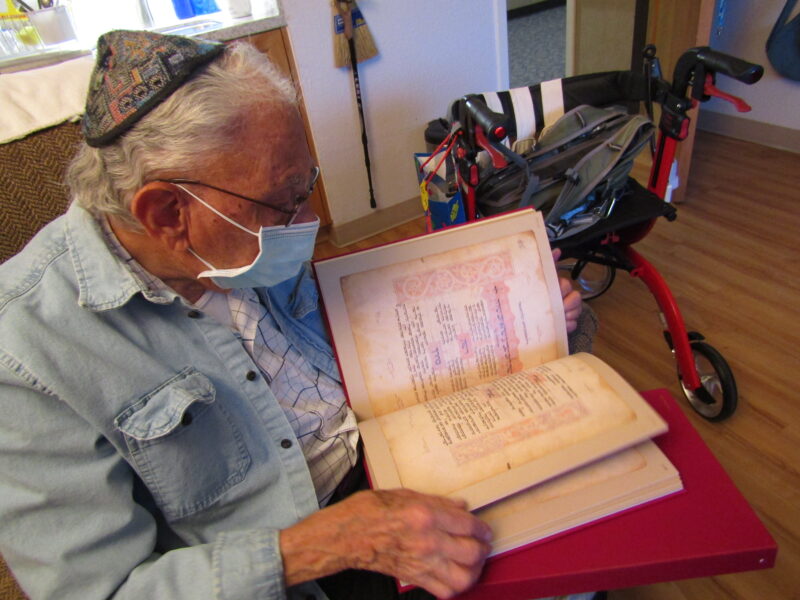

Passover’s focus on freedom rings true for seniors struggling to live independently. As we age, time can take a toll on our self-reliance. While it’s important for seniors to retain control, it is critical adult children stay in the loop with their parents’ healthcare. Here are some things we can do to ensure our elders remain self-sufficient and well-protected.
The first step is communication. As parents grow older and roles begin to change, they should know that the care we provide is done out of love. Remind them how they gave of themselves for so many years – now it’s our turn. Discussions should include family and friends (preferably with everyone together), as directed by the parents. Visiting with our seniors helps us stay in the loop. Many times older adults go through behavior changes, which may be symptomatic of other illnesses. If you visit (or have someone else visit) regularly, you will recognize these changes early. Telephone and video calls also help you keep in touch.
Next, we need to establish advanced directives – powers of attorney, wills, do not resuscitate orders, emergency contacts, etc. Many online resources are available, including azag.gov. Different states have different rules, so do your research. (In Arizona you should include a durable mental health power of attorney.) Make sure the doctors have these documents and inform family members where papers are stored! Doctors require signed authorization to discuss patient information with others, so make sure your parents designate their representatives. Most doctors prefer that you select one family member for this role. A family member with a medical background would be a good choice.
Plan for long-term care and look while your parents are healthy. Visit rehabilitation centers, assisted living facilities and adult communities. You can visit projects.propublica.org/nursing-homes or ahrq.gov/patients-consumers/index.html as a starting point; however, the data you find may be subjective or outdated. There is nothing better than visiting a facility in person.
Finally, keep a concise medical profile. Start with a medication list, past surgeries, immunizations and allergies; you can also include family history. Get copies of all medical records (they’re yours – you’re entitled to them!) and share the information with all doctors. Keep copies of diagnostic reports, x-rays, etc. Doctors are not required to keep information forever; if you request medical records periodically, you will have a running history.
Even the most diligent patient (or the most dedicated family members) can find themselves “out of their element.” In addition to online resources, you can employ the services of a professional nurse patient advocate, who acts solely on the behalf of the client. Patient advocates can be invaluable in keeping families in the loop, because they:
Accompany patients at doctor’s visits, help patients ask the right questions, and take notes and provide copies.
Help families understand their medical insurance and help get the most out of the benefits.
Visit clients’ homes and provide in-home assistance when needed.
Develop and maintain medical timelines and identify key elements to discuss with doctors.
Staying in the loop with your elder parents’ healthcare requires communication and preparation. By being proactive and starting the conversations early, issues are addressed, wishes are understood and crises are averted. None of us want to lose our freedom – our seniors are no different.
Jacqueline shore, RN OCN, is the owner of RN Patient Advocates of Arizona, PLLC (patientadvocatesaz.com)