
I am not a large woman. My shoulders span a mere 15 ½ inches across, yet in the days following the fall that broke my daughter’s back, they carried what felt like an impossibly heavy load.
My strength came from many sources. It began with my husband, who reacted with such a tender and loving calmness that I was able to focus on what was most important in the days ahead. We grappled with decisions about pre- and postsurgical matters, pain control and medications, while struggling with our own sadness of seeing Lauren suffer. But together we knew we would get through it as long as we kept our efforts focused on the most important thing — how best to love and care for her so that she would get well.
Family and friends huddled around us like a tightly knit team, offering words of comfort, friendship, encouragement and hope. But it wasn’t just the words or the flowers, the food or the stuffed animals that lifted our spirits. It was the gift of being supported and strengthened by our community. That we did not have to go through this difficult period alone made all the difference in the world. It literally gave us the energy we needed to keep going even after many sleepless nights.
Jewish tradition has developed and evolved over time in response to profound human needs and the hard realities of living. Important emotions, family crises and significant lifecycle events are marked by and honored with Jewish rituals, blessings and prayers. Whether in response to the birth of a child, the covenant of marriage or the deep sense of loss caused by sickness and death, Jewish rituals create a pathway to more fully understand, appreciate and grow from our life experiences, especially when we are struggling to make sense of them.
Throughout the time we were in the hospital and many times since, I have seen firsthand the almost magical powers that the Jewish commandment of visiting the sick (bikur holim), can have on a person. My daughter’s mood and determination to get well were strengthened by the presence of the family and friends who surrounded her. Visitors helped all of us fight feelings of isolation and the loneliness that accompanies illness.
In an attempt to be sensitive to how a sick person feels, Jewish law offers suggestions to guide us when we visit those who are ill. Simply stated, we are expected to be cheerful, positive and compassionate. And while we are not required to stay long, our positive presence is deemed a mitzvah.
Jewish law teaches that whenever we hear that someone is sick, we should offer a prayer for a refuah shleimah (a complete and speedy recovery). The shortest prayer in the Torah for healing is the one Moses said when his sister Miriam was sick: “O Lord, please heal her” (Numbers 12:13). From this we learn that offering personal, heartfelt prayers is an important part of responding when someone is ill.
The more formal Hebrew prayer for healing is called the Mishebeirach, which is recited during the Torah service. For months after Lauren’s accident, her name was read from the Mishebeirach list at our synagogue. I have always believed in the power of communal prayer, that when people come together to pray for peace or good health, energy is created which moves the world in a more positive direction. Yet I never truly understood the strength and comfort that I would feel from knowing that for one collective moment, the community was praying for the recovery of my own daughter.
We will all encounter the inevitable challenges of living — of dealing with sickness, loss of health from illness, accidents or aging. What is reassuring to me is how meaningful and comforting Jewish tradition and the community can be if we let them into our lives.
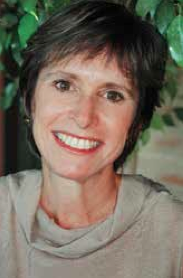
Amy Hirshberg Lederman is an award-winning author, nationally syndicated columnist, Jewish educator, public speaker and attorney. Learn more about her at amyhirshberglederman.com.